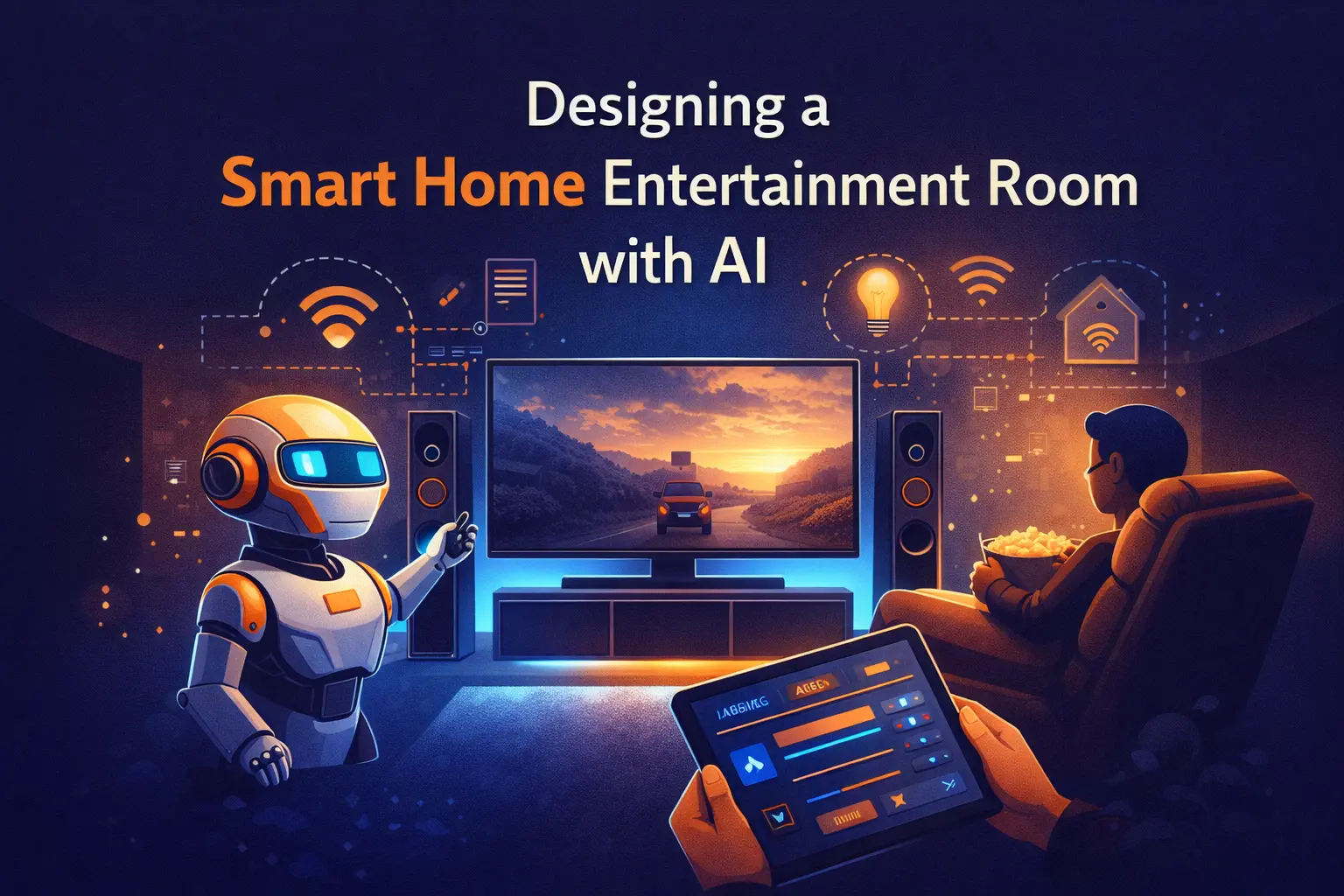
There is a reason some entertainment rooms become the most popular spot in the house while others slowly turn into storage. It comes down to planning. The difference between a room that draws people in and one that collects dust is almost always in the details. In today’s digital age, leveraging AI-powered tools for designing a smart home entertainment room is crucial. AI-driven systems can optimize everything from seating comfort to audio-visual equipment performance, creating an immersive experience.
Whether you are starting from scratch or upgrading an existing space, getting the fundamentals right will save you money and frustration later. This guide walks through the key decisions that make a home entertainment room functional, comfortable, and worth the investment while incorporating AI technologies and digital marketing strategies.
Start With the Room’s Purpose
Before picking out paint colors or shopping for speakers, figure out what the room actually needs to do. Is it primarily for movie nights? Gaming sessions? Sports watching with friends? Music listening? With AI-driven home automation solutions, understanding the purpose of the space allows you to optimize it for the best possible experience, personalizing it through machine learning algorithms that adapt lighting, seating arrangements, and even temperature based on your activities. The answer shapes every decision that follows.
A room designed around movie watching will have different lighting, seating, and acoustic requirements than one built for gaming or casual TV viewing. Trying to make one room do everything perfectly is a common trap that usually results in a space that does nothing particularly well. With AI-based design tools, you can analyze the specific needs of your space and adjust the environment accordingly.
Pick a primary use case and optimize for that. You can always layer in secondary features, but the core layout and equipment should serve the main purpose first. Machine learning systems can even provide real-time adjustments to optimize comfort for movie nights or gaming sessions.
Movie & Cinema Focus
Prioritize screen size, acoustic panels, blackout curtains, and reclining seating arranged in tiered rows for unobstructed sightlines.
Gaming Focus
Low input-lag display, ergonomic seating at closer range, RGB ambient lighting, and fast stereo or surround sound for directional audio cues.
Sports & Social Focus
Larger screen visible from multiple angles, flexible seating, brighter ambient light tolerance, and easy access to casual snack and drink storage.
Multi-Use Setup
Modular furniture, smart scene presets, and universal remote systems let one room shift between modes with minimal reconfiguration effort.
Seating Makes or Breaks the Experience
This is the part people tend to rush through, and it is the one thing that determines whether anyone actually wants to spend time in the room. You can have the best screen and sound system money can buy, but if the seating is uncomfortable after 20 minutes, nobody is sticking around for the second half of the movie. AI-powered seating options now exist that track user posture and automatically adjust to provide optimal lumbar support and reclining angles.
For dedicated viewing rooms, purpose-built home theatre chairs are worth the investment. Unlike repurposed couches or office chairs, they are designed with proper lumbar support, optimal recline angles, and smart features like memory foam and armrest storage. Amplify AV carries a solid range of options built specifically for home cinema setups. These smart chairs can also be synced with other home automation systems to adjust based on content being viewed or the room’s current settings.
If the room needs to serve double duty as a living space, look for modular seating that can be rearranged. But for a dedicated entertainment room, purpose-built seating is always the better call. AI-based designs help optimize this experience by customizing the room’s environment based on the user’s preferences.
Choose Purpose-Built Seating First
Commit to proper home theatre chairs before selecting any other furniture. Row layout, riser height, and room dimensions all depend on where seats are placed. Getting this wrong forces expensive changes to everything else downstream.
Plan Row Staggering for Multi-Row Setups
Each back row needs to sit approximately 12 to 18 inches higher than the row in front to maintain clear sightlines. Riser platforms built from standard lumber solve this without requiring structural changes to the room.
Sync Seating With Smart Home Systems
Higher-end theatre chairs with USB charging, motorized recline, and built-in speakers can be connected to home automation hubs. This allows scenes like "Movie Mode" to trigger both lighting changes and seat adjustments simultaneously.
Get the Screen Size and Distance Right Using AI-Powered Recommendations
One of the most common mistakes in home entertainment design is mismatching the screen size with the viewing distance. A smart home assistant powered by AI can analyze your room dimensions and recommend the ideal screen size and viewing distance based on your personal preferences and room layout.
A 65-inch TV might seem massive in the store, but it can feel underwhelming if you are sitting 12 feet away. On the flip side, a 100-inch projector screen in a small room can cause eye strain. AI-powered design tools now make it easy to find the perfect screen-to-room ratio based on your home’s layout, ensuring a more immersive experience.
The general guideline is to multiply your screen’s diagonal measurement by 1.5 to 2.5 to get the ideal viewing distance. So a 75-inch screen works best when you are sitting roughly 9 to 15 feet away. This is not an exact science, but it gives you a solid starting point. AI systems can automatically adjust these parameters based on feedback from sensors in your room, optimizing for visual comfort and performance.
Sound Is Half the Experience With AI-Tuned Audio Systems
People tend to overspend on the screen and underspend on audio, which is a mistake. Sound is arguably more important than picture quality when it comes to creating an immersive viewing experience. AI-enabled surround sound systems can be configured to adapt to the acoustics of the room, ensuring the most immersive audio experience possible.
At a minimum, a 5.1 surround sound system with a dedicated subwoofer will transform the audio experience compared to TV speakers or a basic soundbar. If the budget allows, stepping up to a 7.1 or Dolby Atmos setup adds overhead sound channels that create a truly three-dimensional audio environment. AI-based systems can fine-tune this further by learning the room’s acoustics and adjusting sound delivery in real-time.
Room acoustics play a bigger role than most people expect. Hard surfaces like concrete floors, glass windows, and bare drywall reflect sound and create echo. AI-controlled acoustic panels can be dynamically adjusted based on the content being viewed, optimizing sound quality instantly.
Lighting Controls the Mood With Smart AI Integration
Harsh overhead lighting is the enemy of a good entertainment room. The goal is to create a space where you can control the light levels precisely, depending on what you are doing. AI-powered smart lighting systems can change the lighting color, brightness, and ambiance based on the type of content being watched, from movie mode to gaming mode, adjusting automatically to enhance the viewing experience.
Dimmable recessed lights or wall sconces on a smart dimmer switch give you the flexibility to go from fully lit for cleaning or social gatherings to near-dark for movie watching. LED strip lighting behind the screen or along the ceiling edges adds a subtle glow that reduces eye strain during viewing without washing out the picture. AI systems can even synchronize the lighting to the scene being viewed, making the room’s ambiance feel like a professional cinema experience.
Install Dimmable Recessed or Sconce Lighting
Dimmable circuits on a smart switch allow you to dial in any brightness from 0 to 100 percent. Pair with warm-tone bulbs (2700K) to avoid harsh cool light that fatigues eyes during long viewing sessions.
Add Bias Lighting Behind the Screen
LED strip lighting mounted to the rear of the TV or projector screen reduces the contrast between a bright display and a dark wall. This cuts eye strain significantly and creates a premium cinema atmosphere at minimal cost.
Program Scene Presets With AI Automation
Smart lighting platforms like Philips Hue, Lutron Caseta, or Govee Sync can be programmed to trigger lighting scenes based on what is playing. A movie scene automatically dims the room, a game boots the RGB sync, and ending playback restores normal light levels.
Do Not Forget the Practical Stuff
It is easy to get so focused on the fun parts of an entertainment room that you forget the practical details. But these are the things that make the room livable over the long term. AI-based systems can help organize and manage room functionality, including cable management, ventilation, and connectivity.
Cable management is a big one. Nothing kills the look of a well-designed room faster than a tangle of cables running across the floor or hanging off the back of a TV mount. Plan your cable runs during the design phase, not after everything is installed. In-wall conduit, cable raceways, and wireless HDMI transmitters can all help keep things clean.
Cable Management
Run in-wall conduit during the build phase. After drywall goes up, routing cables cleanly becomes far more expensive and disruptive.
Ventilation for Equipment
AV receivers and amplifiers generate significant heat. Dedicated ventilated AV cabinets or rack mounts with cooling fans extend equipment lifespan and prevent shutdowns mid-use.
Power Management
A quality surge protector or UPS unit protects expensive equipment from power spikes and outages. Smart power strips also allow you to cut standby power to the whole setup with one command.
Network Connectivity
A wired Ethernet connection to your streaming devices and smart TV eliminates buffering that WiFi can introduce. Run a Cat6 cable to the room during installation rather than relying on wireless throughput.
Shopping Smart for Entertainment Room Gear and SEO for Retailers
Building out a home entertainment room can get expensive fast, and the online marketplace for AV equipment is crowded. If you are shopping online for gear like screens, speakers, seating, or accessories, it pays to buy from specialist retailers rather than generic big-box stores. Specialists tend to offer better product knowledge, curated selections, and support that general retailers simply cannot match.
For retailers selling AV equipment online, having a well-optimized product page and strong search presence is what separates the businesses that thrive from those that get buried on page five of Google. SEO for eCommerce plays a key role in boosting online visibility and driving sales. SEOWebster’s eCommerce SEO services break down how product page optimization, category structure, and technical SEO can help online stores attract the right buyers and convert browsers into customers.
Pulling It All Together with AI-Enhanced Systems
A great entertainment room is not about spending the most money. It is about making smart decisions in the right order. Start with purpose, get the seating right, nail the screen and audio setup, control the lighting, and handle the practical details before they become problems. AI-driven design can make all these decisions simpler by guiding you toward the best configurations for comfort, functionality, and aesthetics.
The rooms that get used every week are the ones where someone thought through the experience from start to finish. Not just the tech specs, but the comfort, the convenience, and the little touches that make people want to stay for one more episode. Leveraging AI helps you plan and implement these improvements seamlessly.
Frequently Asked Questions
What is the best AI tool for designing a home entertainment room? +
How do I choose the right screen size for my home theatre room? +
What surround sound system is best for a home entertainment room? +
Are purpose-built home theatre chairs worth the investment? +
How does AI improve home entertainment room lighting? +
How do I manage cables in a home entertainment room? +
Can a home entertainment room also work as a living space? +
What role does SEO play for online retailers selling home theatre gear? +
Have questions about this article?
Ask the AI assistant anything — it has context on everything you just read.
AI Assistant
Ask about this article
I can summarize this article, explain concepts, and suggest related posts on SEOwebster.com.
Try asking