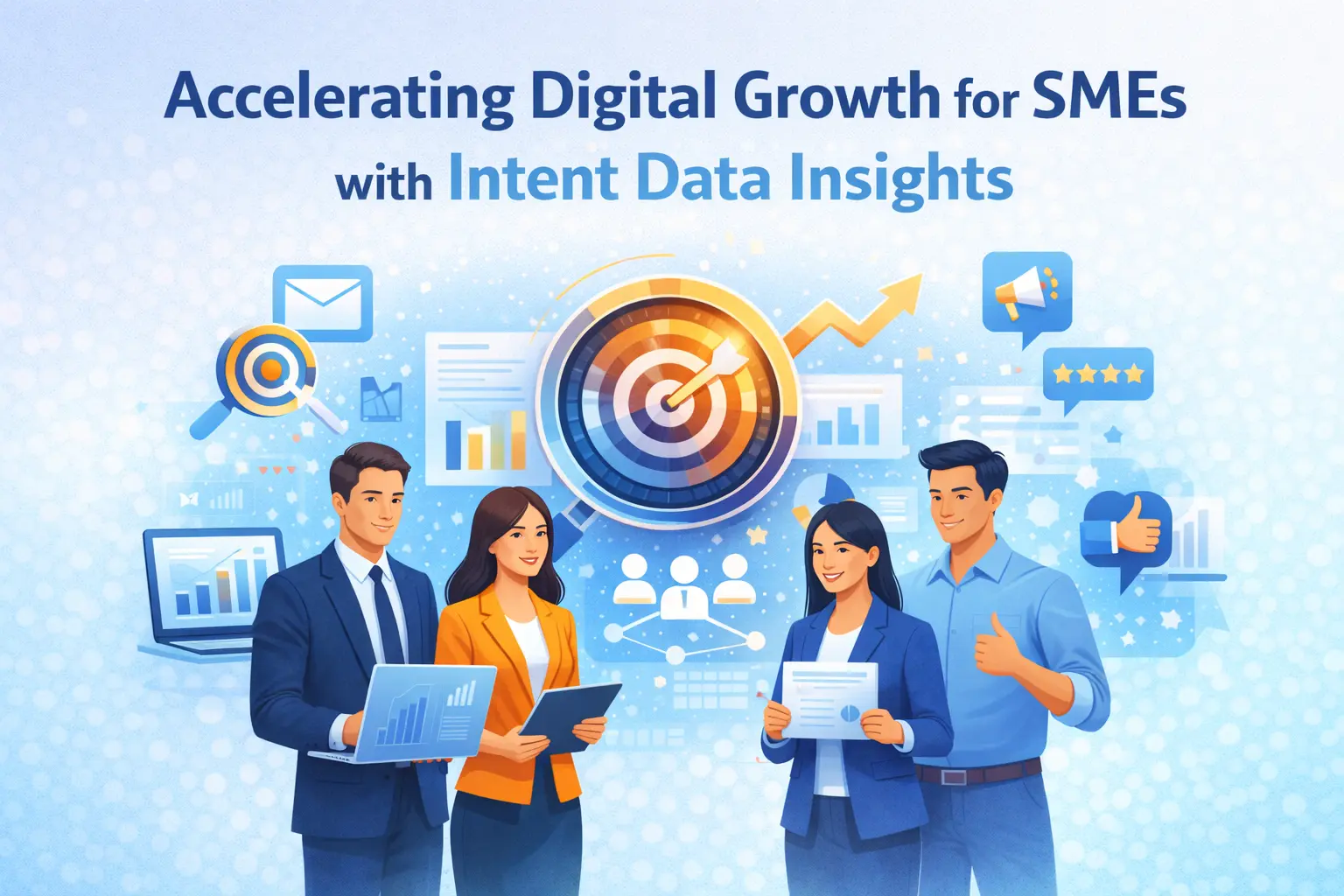
Sticking out in the market and achieving business objectives is never easy, especially for small and medium enterprises. Without an experienced team and serious budget, it can get rather challenging for smaller companies.
Small and medium-sized enterprises or SMEs can, however, do a lot to change this and improve their odds in the world of digital growth. One particularly valuable tool for this is intent data.
With proper strategy in place, intent data can help a business better understand its potential customer and build a much more effective marketing tactic for later. Here is how exactly intent data shapes the digital success of an SME.
What is Intent Data?
Intent data refers to the process of collecting information about user behaviour. Specifically, it refers to data related to a user’s interest in a product, service, or a specific topic. This kind of data is collected when users research topics, download resources, or visit different websites.
Information that comes from websites or emails is called first-party data, while information that comes from partnerships with other companies is called second-party data. Third-party data refers to data collected through sources – websites and platforms.
Intent Data in B2B Marketing
B2B marketing requires a lot of investing. Working with multiple stakeholders, dealing with long sales cycles, and doing extensive research all take valuable resources such as time and money.
Companies with limited resources need to focus them on opportunities that are most likely to bring them success. Intent data is there to determine these opportunities and pave the way to success.
Build a Strategy
Collecting intent data is one thing, but using it in the right way is another story. When building a strategy, the first step is always to define objectives. Here too, a business owner should know what they want to achieve in order to find suitable steps to do so.
Depending on what a business wants to achieve, the rest of the strategy might vary. For instance, some goals SMEs can have are improving conversion rates, shortening sales cycles, or expanding into new markets.
Focus on a Customer-Centric Approach
The whole purpose of intent data is to better understand and serve potential customers. That is why a customer-centric approach is a must. There are plenty of online behaviour signals that can signal a specific issue customers are trying to solve or what topics they research most.
That way, a strategy can follow the customers’ needs and ensure better results in the end. For instance, a local appliance business might create content tips and tricks on appliance maintenance or advice on how to perfect repairing washing machine on your own.
Choose Your Tools
To get the best results, it’s imperative to pick the right tools. The ideal pick would be one suitable for the company’s size, budget, and the type of marketing campaign they’re pursuing.
Some of the most important things to consider here are ease of use of the tool, its data accuracy and reliability, and integration capabilities into already existing marketing platforms. Something that may be overlooked is the analytics feature of the tool, which may prove to be rather useful later on.
Integrate Data with Existing Systems
The next step would be data integration. No matter the size of the business, there are always systems and processes in motion. Intent data reaches its full potential only when integrated into the existing systems within the company.
For example, these may be CRM platforms, customer data platforms, or marketing automation tools.
Teams Training
While technology is there to improve the results, it won’t work on its own. Instead, whole teams need to be trained with this kind of data. The training should focus on people understanding what intent data is and how to interpret intent signals at first.
The second part of the training should be learning how to incorporate these valuable insights into future campaigns.
Optimisation When Necessary
Finally, it’s important to remember that even the best of strategies need tweaking from time to time. By reviewing the performance metrics such as lead quality or conversation rates, SMEs can determine the exact weakest part of their strategy.
Furthermore, by checking engagement levels and general campaign performance, they can only keep improving their attempts and achieving digital growth in record times.
Understanding Types of Intent Signals
To effectively build a strategy, SMEs must recognize that not all intent data is strictly the same. Broadly, user actions fall into a few distinct signal categories:
- Search Intent: What users are typing into search engines. Are they looking for general information (informational intent) or a specific product to buy (transactional intent)?
- Engagement Intent: How long users spend on a specific page, whether they interact with a pricing calculator, or if they download a whitepaper. High engagement often correlates with high purchase intent.
- Firmographic Intent: For B2B SMEs, knowing which companies are researching your solutions can help you identify entire target accounts before they even reach out.
How Intent Data Boosts Content Marketing
Once your team understands the signals, intent data becomes a goldmine for content creation. Knowing exactly what your potential customers are researching allows you to create highly targeted content that answers their specific questions.
Instead of guessing what topics might resonate, an SME can look at real-time data and discover that their target audience is currently struggling with a specific industry regulation. By quickly publishing a detailed guide or hosting a webinar on that exact topic, the company positions itself as an industry authority exactly when the buyers need it most.
Common Pitfalls to Avoid
While intent data provides incredible opportunities, small and medium enterprises should be mindful of a few common mistakes:
- Failing to Act Quickly: Intent signals have a shelf life. If a prospect is actively researching a solution today, reaching out three weeks later is often too late. Speed to lead is critical.
- Misinterpreting Signals: Just because someone downloaded a guide doesn’t always mean they are ready to buy. It’s essential to score leads appropriately based on a combination of actions rather than a single touchpoint.
- Ignoring the Human Element: Data tells you what someone is doing, but humans still make purchases. Ensure your outreach remains personalized and empathetic, rather than robotic and overly aggressive.
Conclusion
Intent data is a powerful tool that can lead to serious improvement in a company. With proper strategy in place, SMEs could focus their attention in the right way and quickly benefit from this kind of data.
Frequently Asked Questions (FAQ)
Why is intent data important for SMEs?
Can small businesses afford intent data tools?
How do you integrate intent data into existing CRM systems?
Have questions about this article?
Ask the AI assistant anything — it has context on everything you just read.
AI Assistant
Ask about this article
I can summarize this article, explain concepts, and suggest related posts on SEOwebster.com.
Try asking